I didn’t expect baby A to have egg allergy as I have fed him hard boiled egg white at 7 months old and he was ok.
However when I fed again at 9 months old, this time hard boiled egg white and egg yolk, he had an allergy reaction. Almost immediately, his mouth area started to have rashes, which spread to the whole face and whole body.
I kept feeding him with water hopefully to flush the system while applying some mild steroid cream on the rashes. It was a Sunday and the nearby PD clinics were not opened. I monitored him closely while tying him with my baby carrier to prevent him from scratching himself. Thankfully the rashes subsided after 2 hours and he was back to his usual cheerful self.
My poor baby 😦 What unfortunate thing to happen on his 9th month.
During the routine polyclinic checkup, the nurse referred us to KK Hospital as she said baby might not be able to take the 1 year MMR vaccination as the vaccine is made from egg proteins.
We did some allergy prick test at KKH and he was found to be allergic to cow’s milk and egg. It is indeed very weird as he had formula milk derived from cow’s milk before! Anyway, KKH said that it is ok to take MMR as they are not made from egg’s proteins and even the doctor at KKH was puzzled why polyclinics always refer babies with egg allergy to them for the MMR despite telling them it is ok.
Prick test. Thank god he has no shell fish nor nuts allergy.
Sorry that I digress so much from the egg muffin. To cut the story short, 80% of babies outgrow egg allergy and if babies can tolerate baked eggs, they have higher chance to outgrow egg allergy. So as a kiasi and kiasu mum, I followed the nurse’s instructions and faithfully feed him baked egg products.
This is the baked egg muffin recipe I used, modified from the one given by KKH.
Ingredients:
80g self-raising flour
20g unsalted butter (if baby is allergic to milk, replace with Nuttelex)
80g banana or apple puree (apple sauce)
2 large eggs (about 65g each)
Muffin cups (60x44mm) or muffin baking tin
Steps:
Preheat oven to 180degrees C for 5 min
Combine apple sauce, butter and eggs in a mixing bowl
Fold in the flour (I used thermomix and combined step 2 and 3 into one step. Speed 5 for 10 seconds)
Divide the batter equally between 6 muffin cases and bake for 25 to 30 min. Bake immediately. Once ready, a metal skewer shoud come out clean when inserted into the muffin.
Leave to cool and keep in an airtight container. Can be stored for 3 months in freezer and 5 days in fridge.
To DIY apple sauce/ apple puree,
peel apple skin off and cut apple into chunks
steam apple for 10 min. Retain steaming water.
blend apple with steaming water and add more water if needed to achieve desired consistency.
Important Note!
Before the introduction of baked egg products,
ensure that the child is well
not on oral antihistamine for 1 week
choose a day where you have the time to observe the child for several hours in case of allergic attack
examine child for pre-existing rashes
do not introduce other new foods while introducing baked egg products.
The first time I fed him with baked egg muffin, I gave one small pinch and waited about 15 min before giving more spoons of muffins to ensure that he is not having allergic reaction. Once cleared, continue with baked egg products 3 times a week to maintain their tolerance to baked egg.
This muffin is also a very good baby led weaning recipe as baby A can self-feed pretty well with this!
Welcoming a newborn baby home can be very stressful, especially for first-time parents. I remember the weeks leading to my EDD, I was worried if we have enough items to prepare for the arrival of our newborn. Thankfully, my friend shared with me a checklist to follow. which I have modified according to my experiences.
The items listed below are all the items I used. Some are optional but most are necessary. My suggestion is, you will gradually know what are the items you need after the baby is born, so do not need to be anxious and fall for the marketing gimmick targeted at first time parents. Besides, I find that many items are cheaper online than in stores or baby fair! Plus, many do free delivery which is much needed for heavy items like diapers and prams!
I have attached the list in PDF format for easy use as a checklist!
Clothes & Accessories
Items
Remarks
5 rompers (short sleeve)
Nanny washes clothes daily hence didn’t need a lot.
3 pyjamas (long sleeve and long pants)
Long sleeve and pants recommended if baby is sleeping in air-con room. Otherwise can just swaddle over short sleeve rompers.
5
pairs mittens and socks
5 small handkerchiefs (for
burping)
5 baby bibs
Not so important for newborn as they don’t drool yet.
2-3 receiving blanket/ swaddle
Muslin wrap is recommended. Preferred brand: Love to swaddle
Baby laundry detergent
Preferred brand: Babience and Kodomo
Laundry hanger with clips
Easier to clip baby clothes than to hang with hangers due to the small size. Get as many clips as possible!
This IKEA hanger with 38 clips is so useful for drying baby clothes (for my small 92 sq meters HDB flat)! Unless you have a huge space, I strongly recommend this over drying racks which need to be placed on the floor.
Bought 1 piece of newborn romper and about 6 pieces of 0-3 month rompers. The rest of the clothings were hand me down. Also don’t need to get newborn size, my baby couldn’t fit into that!
Bath & Diaper Changing
2-3 bathing
towels
2
wash cloth
Body soap and shampoo
Preferred brand: Young living Hospital bag has lots of samples which can last more than a month. Can buy after trying the samples. Babies don’t use a lot of soap.
Body lotion
Preferred brand: Ceradan Read my eczema cream post here
Cotton
balls
Any brand will do. For cleaning eyes.
Diaper
rash cream
Preferred brand: Mustela for normal preventive use, Desitin if there is rashes.
Wet
wipes
Preferred brand: Jeju wet wipes
Disposable
diapers
Preferred brand: Peekaboo (soft and leak proof) and drypers touch (more wallet friendly) Hospital will be giving one pack upon discharge. No need to buy too many in case baby sensitive to certain brands.
Alcohol
swabs
For umbilical cord cleaning (hospital will be giving some which should be sufficient)
Bath
tub
Hospital might give
Changing mat
Hospital gave free two mats
Yuyee oil
Optional
For feeding
Feeding
bottles
Current brand: Avent Never try other brands before.
Bottle
brush
Usually comes with newborn bottles set
Bottle
detergent
Preferred brand: Pureen
Steriliser
There are 3 types of sterilizers: Steam, UV and tablet. Tablet is too troublesome. Recommend steam or UV. Read my post on why I don’t recommend Avent brand. Can also do the traditional method: pour hot water over the bottles.
Electric
bottle warmer
Optional. Highly recommended to get as it is very convenient. However, can also do the traditional method. Pour hot water in a cup to warm bottle.
Thermal
flask
To store hot water to warm breastmilk, or make formula milk on the go.
Formula
powder container
For formula fed babies. To bring formula powder out.
Thermal bag & ice pack
To bring breastmilk out. Got mine from Daiso
For sleep
Baby
cot, mattress and linen sheets (bumper is optional)
Or
Playpen
Personal preference to get cot or playpen. Some parents do not buy any as they choose to co-sleep.
Beansprout
pillow
Good for reducing startle reflex
Baby easily startled in his sleep and he didn’t like to be swaddled. This beansprout pillow reduces his startle.
For commute
Pram
Preferred brand: Combi for lightweight and sleek design, baby yoyo-inspired for compact cabin stroller (can be found on ezbuy, shopee).
Carrier
Preferred brand: Soul Anoona and Tula free to grow
Car seat
Optional
For breastfeeding
Breast pump
Preferred brand: Spectra Spectra S1 for daily use, S9+ for on the go.
Breast pump flange
Maymom
Nursing bra
For easy breastfeeding. Got mine from Qoo10. Good and cheap.
Breast
pad
Optional
Nursing
cover
Hospital gave two free covers
Breastfeeding
pillow
Optional. It was helpful during my first 2 months of breastfeeding. Preferred brand: My breast friend
Breastmilk
storage bags/ containers
Bags take lesser space, can buy after supply stabilises.
Free nursing cover from hospital. Good coverage and not too hot for baby!
Others
Rocker/
bouncer
Optional although I think bouncer helps prevent flat head.
Playmat
Newborns don’t really play yet but a playmat will be needed soon anyway. Preferred brand: Parklon
Nail
scissors
Preferred brand: Pigeon
Thermometer
I use Guardian oral thermometer. Cheap and good. Infrared thermometer is not accurate, newborns can just measure under armpit.
Pacifier
Optional
He really loves his bouncer!
Next, I have also included items which I think are not needed and are waste of space and money.
Clothes & Accessories
Beanie
Babies hate to have things on their head and Singapore is too hot for that. Even in air-con places, most babies do not need beanie. Hospital will be giving one.
Laundry
softener
Why introduce more chemicals to the baby?
We thought that the beanie was cute and afraid he might be cold with the air-con, but almost got him suffocated. In the middle of the night, the beanie dropped and covered his face. He was too young to remove it and cried. I was dead tired and couldn’t hear him. Luckily the husband heard and rescued him. Thank god!
Bath & Diaper Changing
Baby
massage oil
I use body lotion as massage oil. Read my post on why baby oil is harmful.
Baby
powder
Dangerous! Baby can breathe in the powder and cause irritation. Talc containing powder is also carcinogenic.
Hair
comb
Baby hair so little, can just use fingers to brush.
Non-slip
mat for bath tub
Just hold your baby during bath! Never leave baby unattended even for one second. Babies can drown in 5 cm deep water!
Diaper organiser/ holder
Just use any recyclable box or basket. Nobody got time to organise diapers!
Changing table
Babies will outgrow this very fast. Before you know it, diaper changing is a WAR!
For feeding
Thermal travel Bottle warmer
I prefer the traditional way: bring thermal flask and container. Just pour hot water into container to warm.
For sleep
Pillow, bolster, blankets,
soft toys
SIDS risk. I only swaddle baby and give one beansprout pillow.
For breastfeeding
Nipple cream
Breastmilk is the best nipple cream! I got some free samples from hospital which was more than enough for my nipple crack.
It is unfortunate that I am writing this post as baby fell from bed… again. 😦
The first time he fell, he was only 5 weeks old. I felt so terrible and lousy as this happened after the nanny left not long ago. I felt very unqualified as a mother and broke down crying with him. While waiting for the doctor, I kept googling on what happens when a baby falls as I fear for brain damage.
How’s my new eyeshadow?
To summarise, babies are stronger than we think they are. Unless the fall is rather high, 1 metre and above, usually it is exterior injury. Most babies fall from sofa or bed, so it is not as bad as we think.
After baby falls, try not to be panic as babies react according to our expressions too.
First, quickly check for visible signs of injuries such as bleeding or bruises. If baby is unconscious, vomits or bleeding profusely, go to A&E immediately.
Next, try to calm baby down by hugging and carrying him.
Third, move baby’s limps to check for any fractures and the eyes to see if baby is sensitive to light. Again, if baby shows signs of distress, send to A&E immediately.
The signs to look out for, within 72 hours of fall, to determine if baby needs to see doctor:
1. Vomiting (this shows possible brain damage)
2. Unconsolable cries
3. Excessive drowsiness/sleepiness (refused to wake up and play)
4. Fever
If baby has any of the above signs, bring to A&E immediately.
After a few experiences of fall, the above are what different pediatrics told us.
As much as we try to prevent falls, accidents do happen so don’t be too hard on yourself! After the first fall, whenever I place baby on bed to change diapers, I never leave him unattended. This time, even though I was next to him, he flipped and dived head down to the floor. So fast that I couldn’t catch him even though I was just next to him.
I guess the best prevention is not to put on bed at all.
P.S. falls are considered as accidents so do claim from personal accident insurance if you decided to see a doctor!
P.P.S. I got so many stares when I brought baby out. As if he looks very ugly, I abuse him or I did a lousy job. Guess his bruise looked really bad. This random lady came to me and said “I will never let this happen to my grand daughter. She is so precious to me”. I gave a fake smile, in my heart thinking “you think my son is not precious to me? What is this is a birthmark?”
My little panda
She successfully made me feel even more upset and guilty for not being able to prevent his fall. As much as I’d like to console myself that I’ve done my very best as a mother, it is hard to not self-blame. Motherhood is a job where I set extremely high expectations on myself, which I believe many mothers do so too. We just want the best for our children.
There are so many people who are too quick to assume, and too quick to judge. I hate to say this but many times, mothers are also the ones who judge fellow mothers the most. 😦
I love yoga and it this is one simple exercise that I can do with baby. Yoga has a calming effect for babies who suffer with digestive issues or babies who have difficulties falling asleep. I find doing yoga with baby is also a good bonding session.
Place baby on his back on a play mat or bed and sit in front of his feet. Look into his eyes, smile and tell him what you are going to do.
Take one of baby’s feet in each of your hands. Gently push baby’s knees in towards her chest and apply gentle pressure. This is a wind relieving pose (some people believe that colic is due to excess wind in the stomach). Hold briefly and release. Repeat a few times.
Place the soles of his feet together so the knees fall out to the sides. This is reclining cobbler pose. Without moving his hips, circle his legs clockwise, then anti-clockwise.
While doing step 3, you may sing the song “wheels on the bus” as you are moving his legs in a circular motion.
4. Holding both baby’s legs, open and close his legs while singing “doors on the bus go open and shut”.
5. Stretch baby’s legs towards you, pulling and then dropping them gently. Repeat a few times.
6. Place the palm of one hand on the abdomen and move in clockwise direction (for constipation) and anti-clockwise (for diarrhea). Do this while singing lullaby.
Adapted from “Mindful Mama, Happy Baby” book by Maja Pitamic & Susannah Marriott.
If you are feeling fanciful and want a core workout with baby, this are some poses you can try.
bridge poseI have no core strength… hahaor the classic push up with my 4 months old
When all fails, do the easiest child’s pose!
Baby will still enjoy the bonding session with mummy no matter what! 🙂
Breastfeeding, in my experience, was most challenging for first time mum. I struggled with low supply and only recently managed to meet my LO’s demand. I didn’t do much research during pregnancy and wished I had known certain things earlier.
Although breastfeeding was very challenging in my initial weeks, the good news is, if you persevere on, you are likely to see the light at the end of the tunnel. It gets easier to latch on, milk supply stabilises and I enjoy breastfeeding so much that I ditch the bottles when I’m travelling with baby. I hope my sharing can encourage other low supply mums.
MY MISTAKES
1. Small breasts = low milk
I didn’t expect myself to have much milk as I have small breasts. Hence I did not invest in a hospital grade pump. I should have bought Spectra S1 right from the start!
2. Never insist on skin to skin and breastfeeding in hospital
I didn’t have a good experience with Mt Alvernia. I was too drowsy from epidural so forgot to ask for skin to skin contact. On hindsight, shouldn’t the nurses be the one who offer skin to skin? After I was more awake, my LO was already taken away to NICU as he had infection. The nurses then told me that he was hungry and gave me 3 choices, Nan, Enfamil or Similac. As an exhausted and drowsy FTM, I didn’t know better and just go with their flow.
Throughout my stay, they didn’t ask if I wanted to latch. Initially I thought I can’t latch cause my LO was in NICU but then I realised this is not true. By the end of day 2, I started latching. I also saw a pacifier next to my LO so I assumed they gave him pacifier without asking me. Thankfully my LO has no nipple confusion.
In the first month, I could only pump about 60ml each session whereas my LO drank 120ml since week 2. It was quite depressing and I kept reading tips on how to increase supply. I almost resigned to my fate until I spoke to this super encouraging mummy friend whom made me determined to carry on my breastfeeding journey. At my 3rd month, I yield about 200ml and started my frozen milk stocks.
3. Top up formula without pumping
My LO sometimes cried murder after
latching (despite latching for 2hours!) in the first month as I think my milk
either flows too slow or insufficient. I top up formula as it was too stressful
to see him cry. I know there are different stands on this. Some mums believe in no topping
up but personally I was too stressed when insisted on no formula. This caused my supply to drop further.
It is ok to top up, but I should pump with every
formula fed so that my body will be stimulated to produce more.
So what did I do to increase my supply?
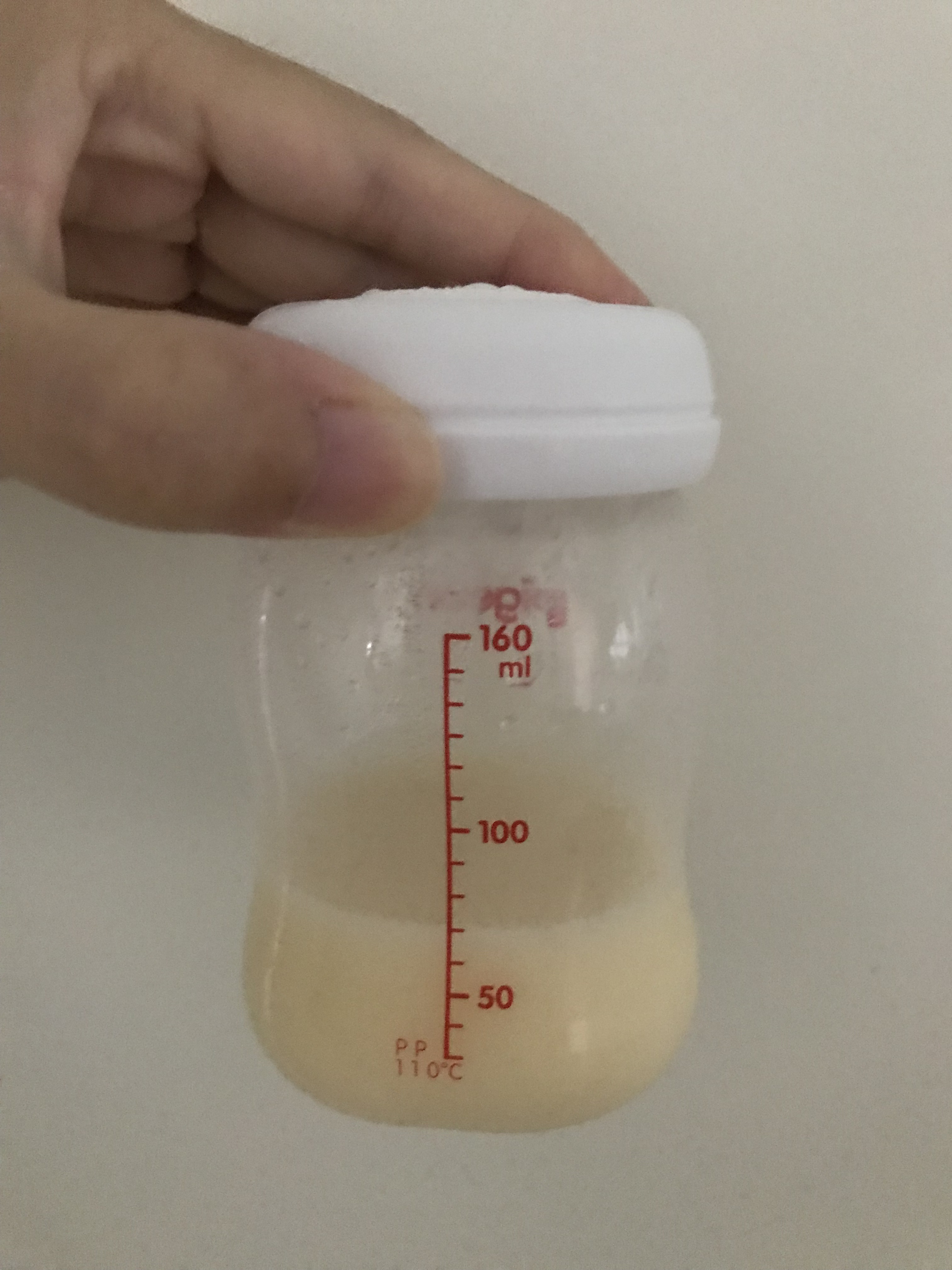
From this (about 60 ml per session)
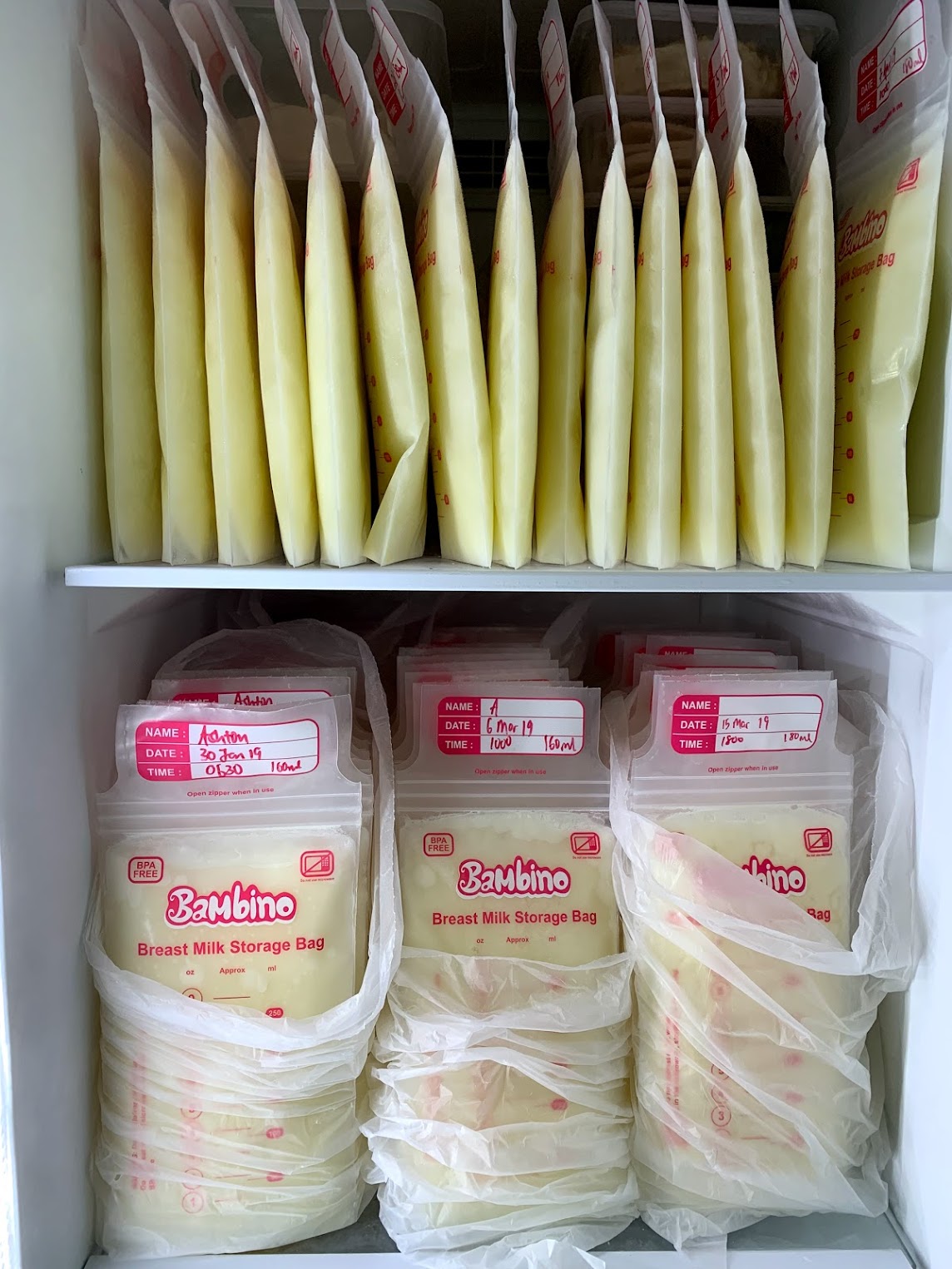
to a freezer full of milk…
TIPS
#1 Latch/pump frequently
This is the most important tip but most difficult to do.
I didn’t know better and was lazy. I skipped some night pumps which resulted in engorgement. Latching and pumping frequently is very important. Only when the breasts are emptied then more milk will come in.
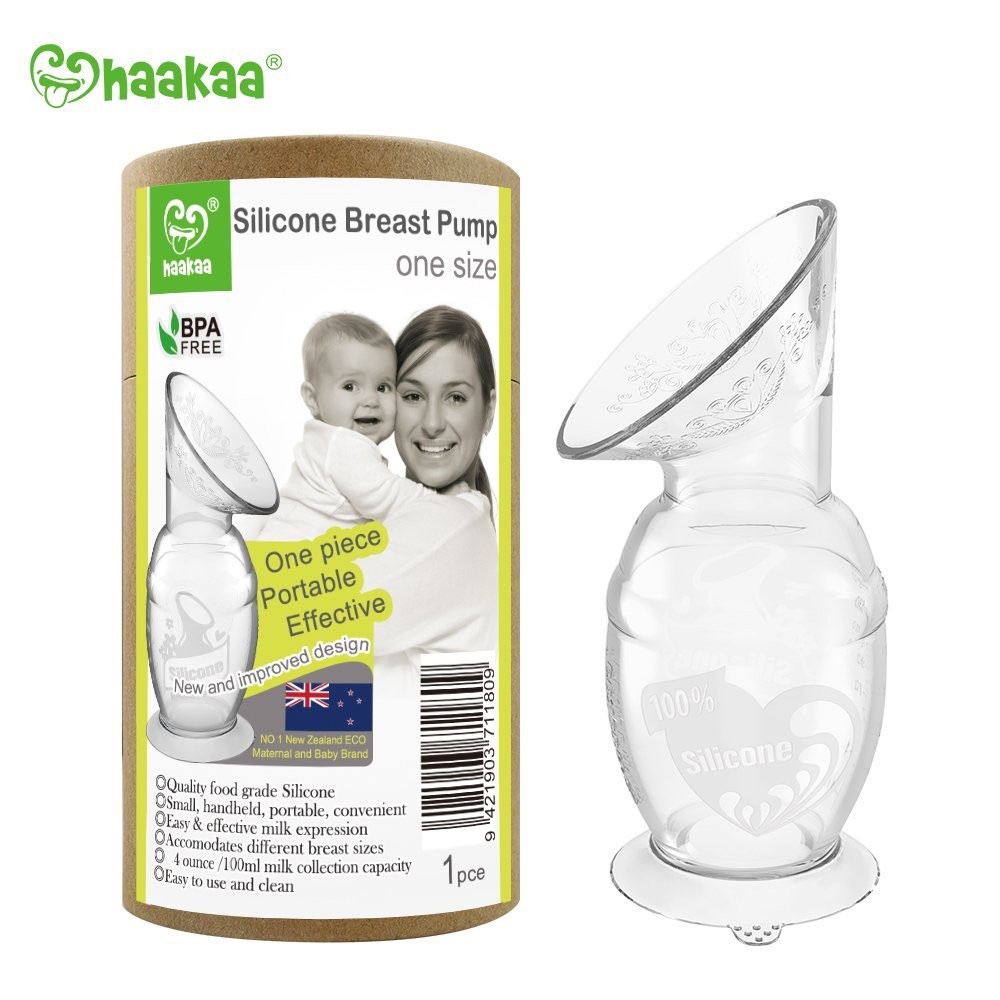
Nowadays I latch on demand in the day (LO latch one side, I use haakaa for the other side), and pump 20-30min after every latch. In addition, I will pump every 2h in the day and 4h in the night.
(Update: some mums asked if I still pump after latching. Yes I do, very tiring but gotta persevere on for the milk supply!)
Haakaa as recommended by my wonderful nanny. This allows me to capture letdown from my other boob when LO latches on.
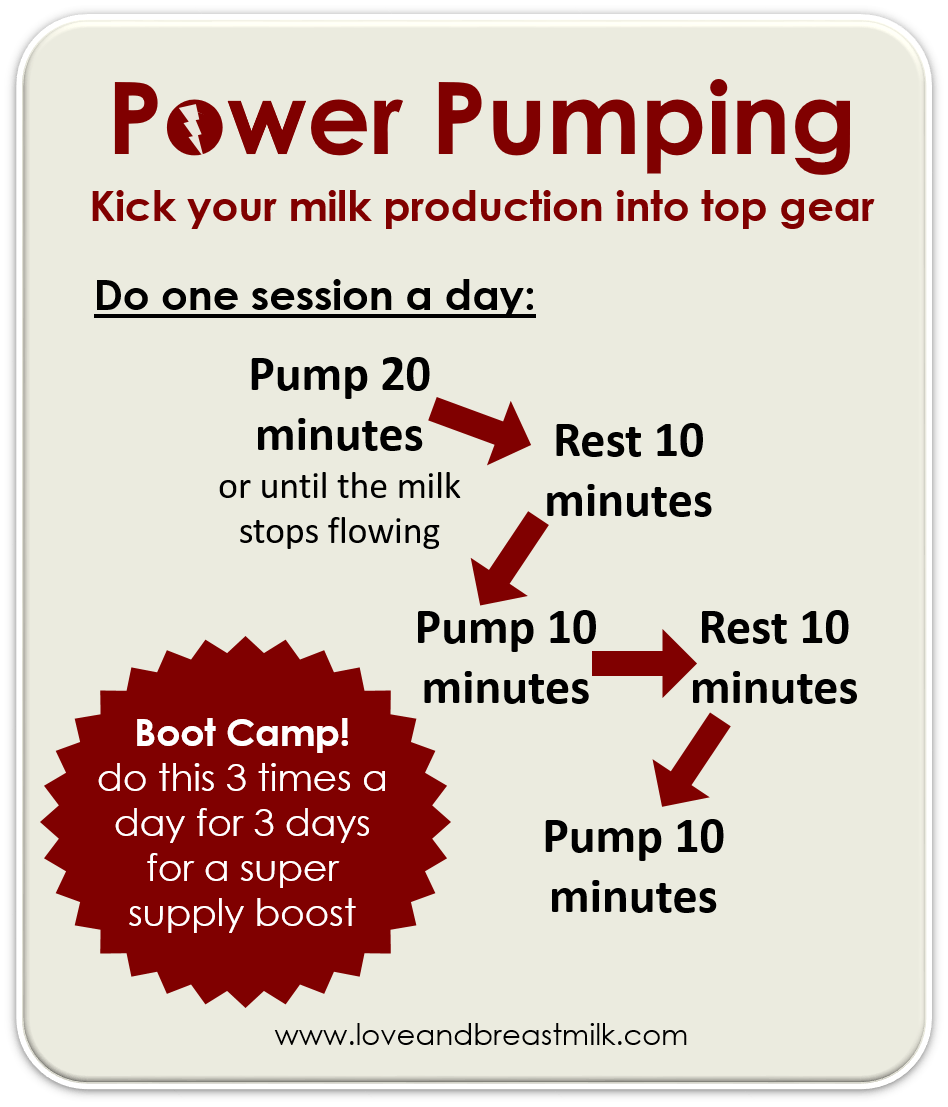
I also do power pump at least once a day. I usually get more supply after power pump.
I stop power pumping after my supply is established. Don’t want to risk having engorgement again.
#2 Massage and warm compress for letdown
The lactation consultant advised to massage and hand express in between pumps. Realised that this is more effective than a 30min straight pump without hand express/massage in between. Hand expression allows me to clear blocked ducts better and also very encouraging to see the milk dripping out when hand expressing. Made me want to work harder!
Massage 1 min –> Pump 10 min –> Hand express 2 min
–> Pump 10 min –> Hand express 2 min
Can vary duration depending on individual’s preference.
#3 Drink more fluids
I don’t know how much is enough but I drink one cup of water before and after pump to replenish the lost fluid. My body also feels healthier with more water intake anyway.
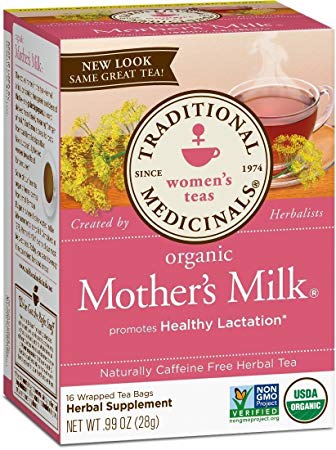
Green papaya fish soup, lactation tea and bubble milk tea seem to work well for me. My confinement nanny was very supportive and encouraging and made lots of soups for me.
I drink this brand.
#4 Diet
I ate oats with milk for breakfast daily but stopped after my supply is established. Oatmeal is a galactagogue (substance that promotes lactation) and also a traditional way to increase milk supply.
Other than a balanced diet with fruits and vegetables, I still try to eat steam fish daily. I’m also a sashimi lover and realised I can pump a lot more after a bowl of chirashidon. 😍😍😍 Another perfect excuse to indulge in my favourite food.
Lactation cookies and cupcakes didn’t work well for me so I gave up on that as they are costly anyway (they also use oats as part of the ingredients).
#5 Supplement
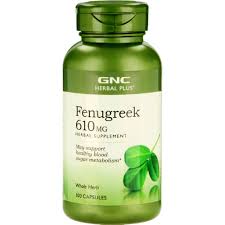
Fenugreek seems to work very well for me. Not sure if it’s a combination of the above or due to fenugreek, my supply gradually increased after starting fenugreek supplement. I’m still eating 3 times a day, 2 pills each time. I’m taking the GNC brand. My mother-in-law has been very supportive and will stock up fenugreek for me.
GNC Fenugreek
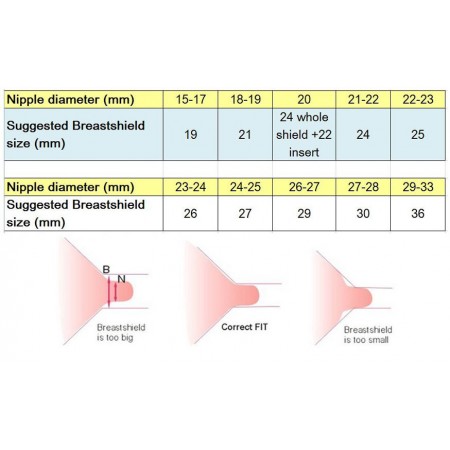
#6 Suitable flange size
This is very important but neglected by many. The standard flange size (28mm) provided by Spectra is too big for me. Pumping feels more comfortable and resulted in more yield when I got the suitable size from Maymom. Read how to check for correct flange size here.
Image credit: pupsik studio
#7 Rest
I can pump more after a good afternoon nap.
#8 Don’t stress
I get stressed initially when I see others post picture of their freezer full of milk and wonder how come I can’t build a fridge supply and instead need to top up formula?
It was when I decided to stop comparing, change my mentality to “fed is best, not breast is best” and “feed my baby, not the fridge”, I feel more at ease and supply gradually builds up.
#9 Have determination, patience and faith but don’t self-blame
It takes time but I believe that my supply will increase eventually. But if I cannot meet his demand even after doing so, it’s alright as I know I have done my best. Some people are just not so lucky in breastfeeding while some people really have it easy without putting in much effort. My supply only comes in at day 3 (a pathetic 0.5ml after hand expressing for an hour) while my friend can pump 300ml in a session in her first week! 😆
It took me 2 months to match his demand and 3 months to finally have some extra milk to freeze. In the process dealt with engorgement, blocked ducts and inflammation. However I feel so satisfied when I see my LO happily drinking my milk filled with antibodies!
Light at the end of tunnel…
From hating breastfeeding to loving it so much now. It not only gives antibodies to baby but also saves money and is super convenient. In my recent trip to Japan, I didn’t bring any bottles nor pump. I latch on the go and all I need was a nursing cover! Baby hungry? Latch. Baby tired but can’t sleep? Latch. Baby cranky? Latch! Best solution for every baby issue I face!
If you are still reading this post, good job mummy! You are determined to do something about your supply and have the perseverance to read so long! You can do it for breastfeeding too!


 mamakeng.com